
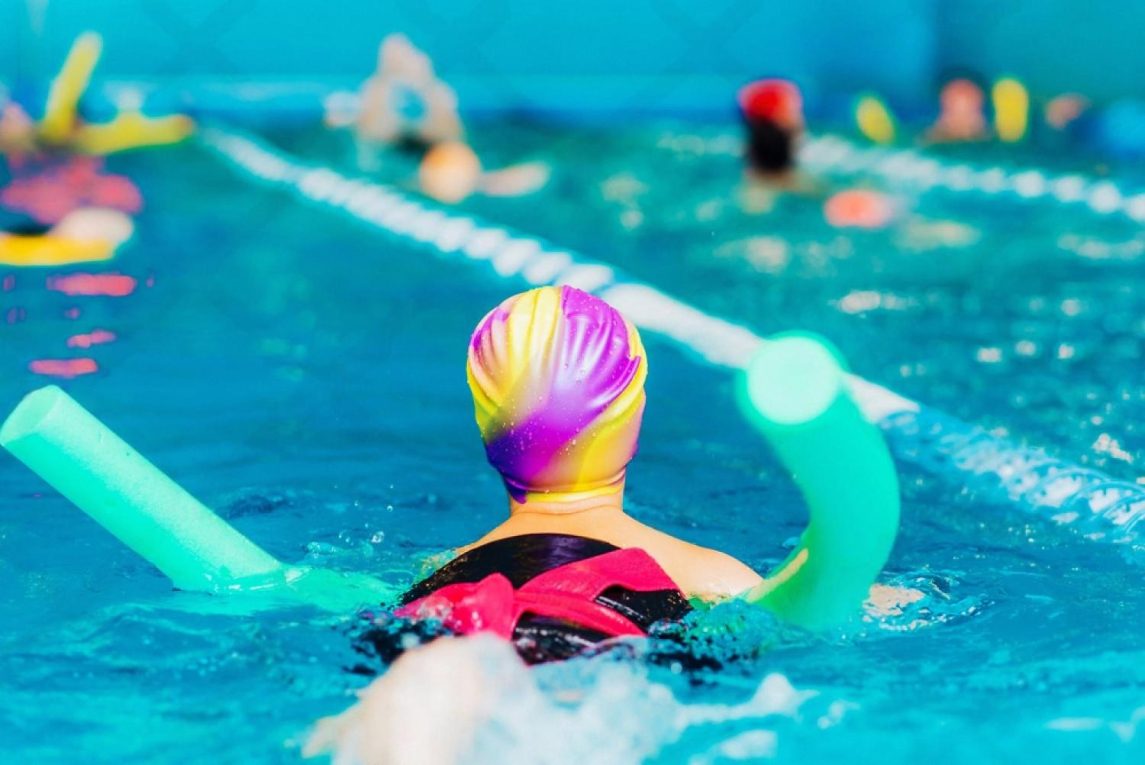
Health & PE
Swimming for Schoolchildren: The Benefits of Pool Lessons in UAE Schools
Ask any parent in Dubai, Abu Dhabi or Sharjah what they look for in a school, and a pool on campus often lands near the top of the list. Swimming is one of the few activities that trains the whole body, teaches a real life-saving skill, and gives children a break from the desert heat all at once. The value of regular pool sessions has been backed up by decades of research, which is part of why families feel reassured when swimming is written into the weekly timetable rather than treated as an optional extra.
This guide walks through the honest pros and cons of school swimming programmes in the UAE, followed by practical tips for parents, schools and the children themselves.
Why it works
Group lessons quietly do the teaching
One of the underrated strengths of school swimming is the group dynamic. A child who cannot yet swim watches classmates kick, breathe and reach for the far wall, and instinctively copies them. That peer modelling is often more powerful than a parent’s instructions at home, because the child sees other kids their own age doing it, not adults.
Swimming also strengthens almost every muscle group at once, which matters for growing bodies. According to the CDC water-based exercise improves musculoskeletal health and mood in children and adults alike, and it does so with far less joint stress than running.
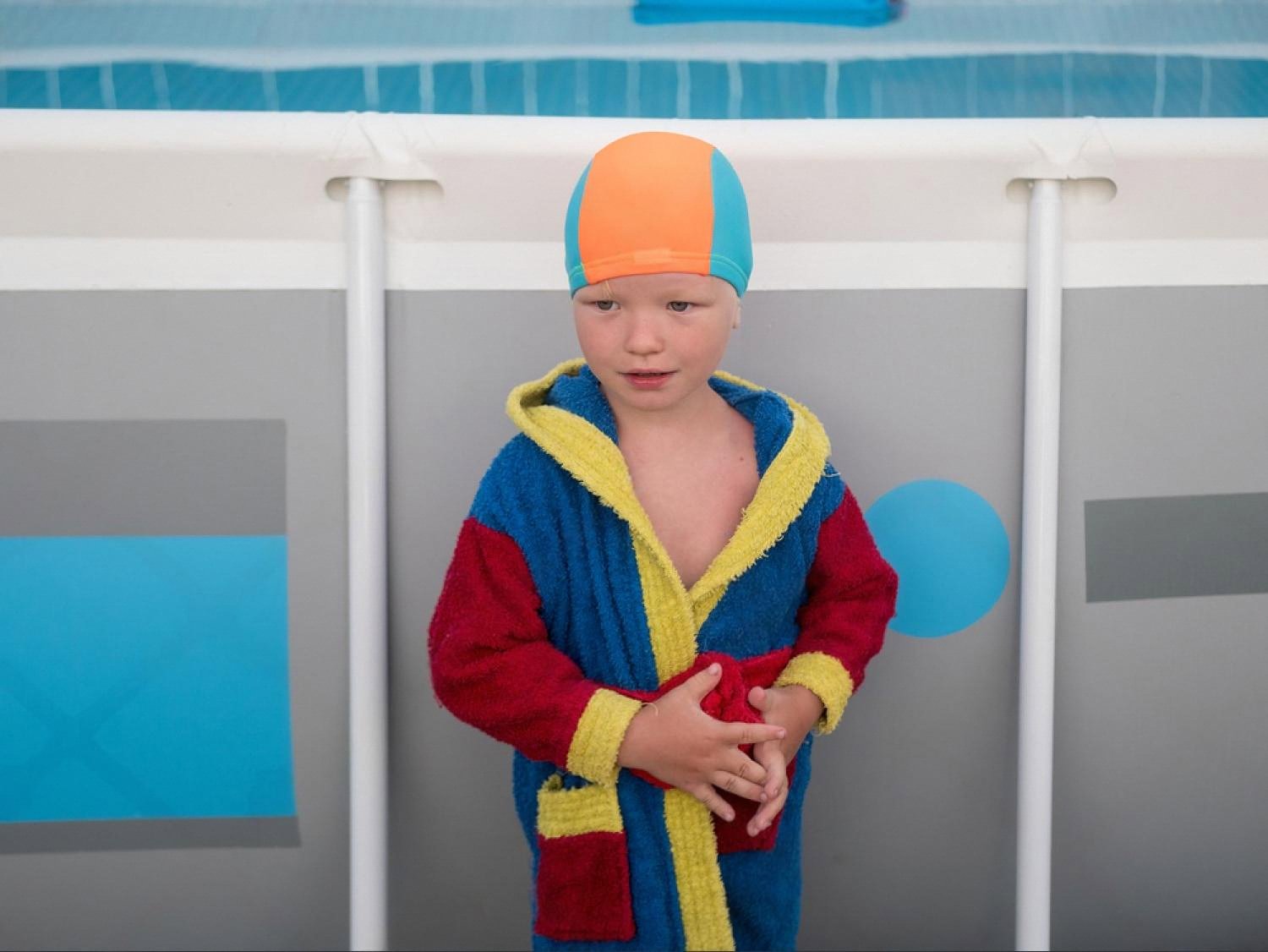
Pros and cons of school swimming programmes
Pros
- Whole-body strengthening. Legs, arms, back and core all work together, which supports healthy growth.
- Life-saving skill. In a country with beaches, hotel pools and villa pools everywhere, knowing how to swim is basic safety.
- Better endurance. Even short weekly sessions raise cardiovascular fitness noticeably over a term.
- Goal-setting practice. Reaching the far end of the pool for the first time teaches children that effort produces results.
- Peer learning. Nervous swimmers copy confident classmates and progress faster than they would one-on-one.
- Heat-friendly PE. When outdoor sport is unrealistic for half the UAE calendar, the pool keeps kids active indoors.
Cons
- Class sizes. If one teacher supervises twenty children, individual feedback is limited.
- Chlorine sensitivity. Some kids develop dry skin, red eyes or mild breathing irritation.
- Ear infections. Frequent swimmers are more prone to swimmer’s ear if drying is skipped.
- Anxiety for non-swimmers. A child who is scared of water can feel exposed in front of classmates.
- Logistics. Wet hair, bags, and tight changing windows before the next lesson can be stressful.
- Cost. Schools with quality pools and qualified coaches usually charge higher fees.
Tip 1
How parents can support progress at home
You do not need to be a swimmer yourself to help a child improve. Small habits between lessons make a real difference, and most of them cost nothing.
- Talk about what happened in class today, ask which stroke was practised.
- Book occasional weekend pool time so skills stay fresh, community pools in most UAE emirates have shallow family areas.
- Pack a proper kit: goggles that fit, a silicone cap, a towel and a spare pair of underwear.
- Feed them a light snack roughly an hour before the lesson, not right before.
- Praise effort, not just results, especially with anxious swimmers.
If your child attends a private middle school with a pool on site, ask the PE department for a short progress update once a term. Most coaches are happy to share where a child sits on the school’s swim-level ladder.
Tip 2: What schools should get right
Not every pool programme is equal. When comparing schools, or giving feedback to your current one, these are the elements that separate a good setup from a mediocre one.
- Qualified instructors. Look for coaches certified by recognised bodies such as the ASA / Swim England or Austswim, not just gym staff filling in.
- Ability grouping. Non-swimmers should not share a lane with advanced children. Small groups by level are the standard to expect.
- Water quality checks. Chlorine and pH readings should be logged daily. Dubai Municipality regulates public pool hygiene, and school pools should meet the same benchmarks.
- Clear safety ratios. A minimum of one qualified adult per ten children in the water, with a lifeguard on deck at all times.
- Progressive curriculum. A written swim-level framework from beginner floats up to competent freestyle, backstroke and treading water.
Tip 3: Helping a nervous child settle in
The single biggest reason children resist school swimming is fear, not laziness. Rushing that fear rarely works. What does work is breaking the experience into smaller pieces.
- Visit the school pool once before term starts if the school allows it, familiar walls calm nerves.
- Practise putting the face in the water in the bath at home, then blowing bubbles.
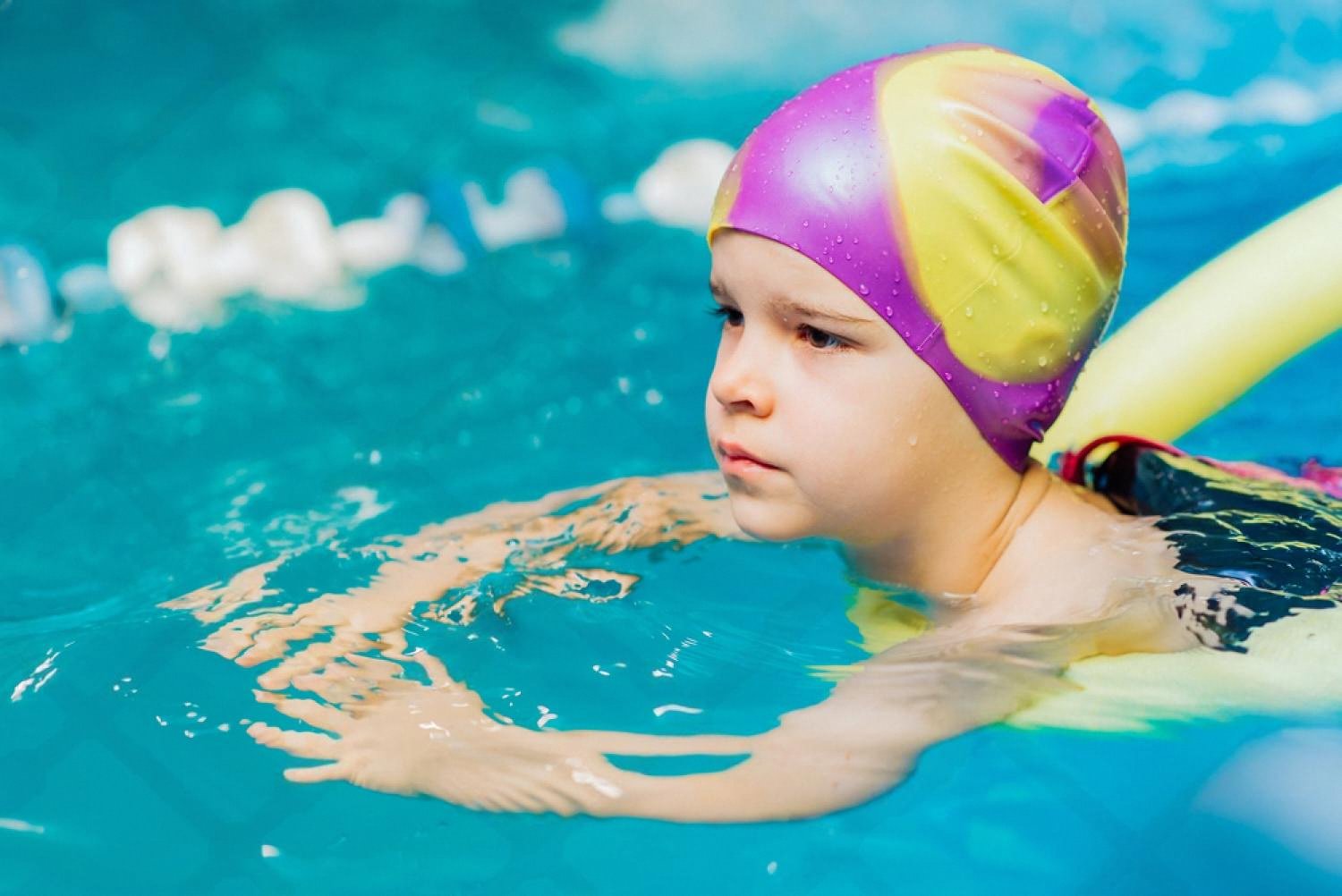
- Start with the shallow end and a foam noodle rather than pushing straight to strokes.
- Set micro-goals: today, put one ear in the water. Next week, both ears. The week after, eyes open with goggles.
- Ask the coach for a buddy, a confident classmate often does more good than an adult in the water.
Most children who start the year clinging to the wall are swimming a full length by spring. The trick is consistency, not intensity.
What to avoid
- Do not compare your child’s progress out loud to their classmates’, it is the fastest way to kill confidence.
- Do not skip the post-swim routine. Dry ears properly, rinse off chlorine, and drink water, dehydration in a UAE pool is easier than it sounds.
- Do not let a child swim if they have an ear infection, fever, or open skin condition. Sit the lesson out and let the coach know.
- Do not force a scared child underwater. One bad episode can set progress back by months.
- Do not assume the pool teacher will spot every issue. If your child mentions discomfort or bullying in the changing room, raise it with the school.
Frequently asked questions
At what age should UAE schoolchildren start swimming lessons?
Most schools in the UAE introduce structured swimming from around age four or five, but formal water familiarisation can begin earlier at community pools. By the time a child enters primary school, weekly lessons are ideal, and by middle school most students should be able to swim at least 25 metres unaided.
How often should children swim to see real benefits?
One quality lesson per week is enough to build the basic skill and maintain fitness. Two sessions a week produce noticeably faster progress in stroke technique and endurance. More than that is only necessary for children on a competitive swim squad.
Is chlorine in school pools safe for children?
Yes, when the pool is maintained to standard. Chlorine kills bacteria that would otherwise cause far more serious problems. If your child develops itchy skin or red eyes, rinse thoroughly after each session, use well-fitted goggles, and mention it to the school so they can check chemical levels.
What should a child bring to a school swimming lesson?
A swimsuit, a silicone swim cap, well-fitted goggles, a large towel, flip-flops for the changing room, and a small bag for wet items. A light snack and a water bottle for after the lesson help too, especially in warmer months.
A comb and a hair tie are useful for children with longer hair, so they can leave the changing room quickly.
Can swimming really help with school performance?
Research from Griffith University and others has linked regular swimming in early childhood to earlier development of language, motor skills and confidence. In older children, the endurance and goal-setting habit built at the pool often carries over into classroom focus and sport in general.
What if my child is afraid of putting their face in the water?
This is very common and completely normal. Start at home in the bath with bubble-blowing games, then move to the shallow end of a pool with a parent. Ask the school coach to keep the child in a beginner group with foam supports until they feel ready. Patience almost always wins.
Are school pools in the UAE regulated?
Yes. Municipal authorities such as Dubai Municipality and the equivalent bodies in Abu Dhabi and Sharjah set hygiene and safety standards for pools, including school ones. Reputable schools also follow international frameworks for coach qualification and student-to-teacher ratios.

Hockey fan, tattoo addict, drummer, International Swiss style practitioner and New School grad. Acting at the nexus of art and computer science to craft experiences both online and in real life. My opinions belong to nobody but myself.