
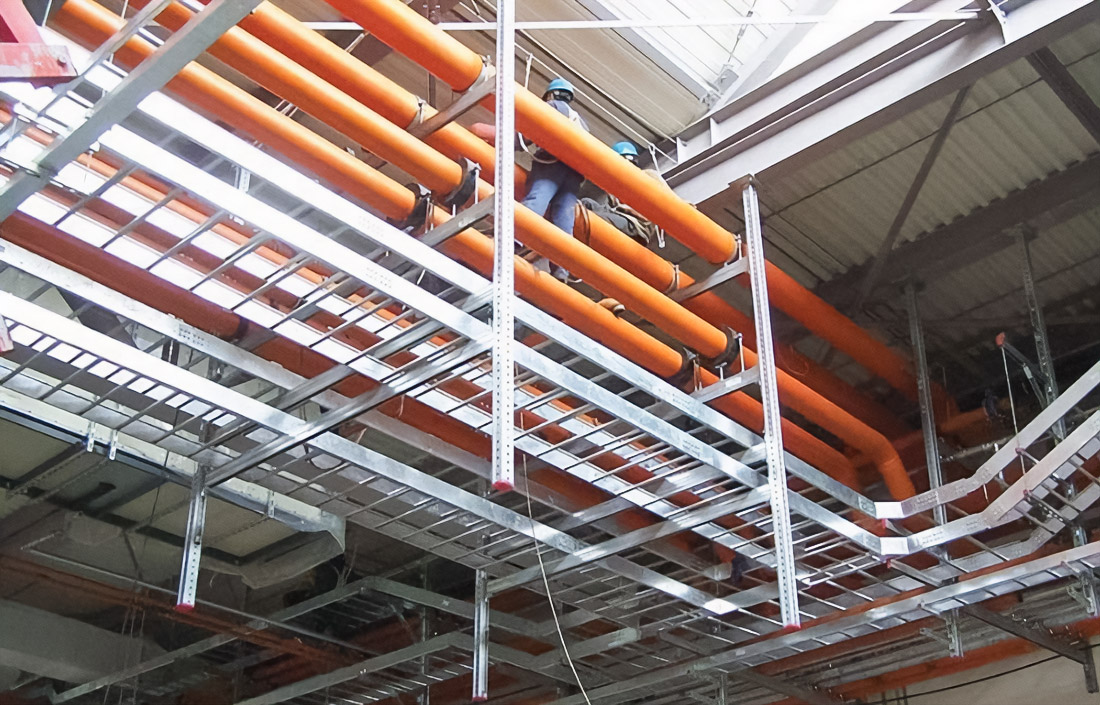
In electrical engineering and energy and signal transmission systems, the accuracy of terminology is directly related to the safety, reliability, and service life of equipment. The concepts of ‘wire’ and ‘cable’ are often used synonymously, but from an engineering point of view there is a fundamental difference between them. An error in understanding this difference can lead to incorrect system design, reduced electrical and mechanical stability, and in some cases, failures and accidents. This distinction is especially important at the stage of system routing and containment, where solutions offered by a cable trunking manufacturer directly affect installation quality and long-term performance.
Wire as a Single Conductor
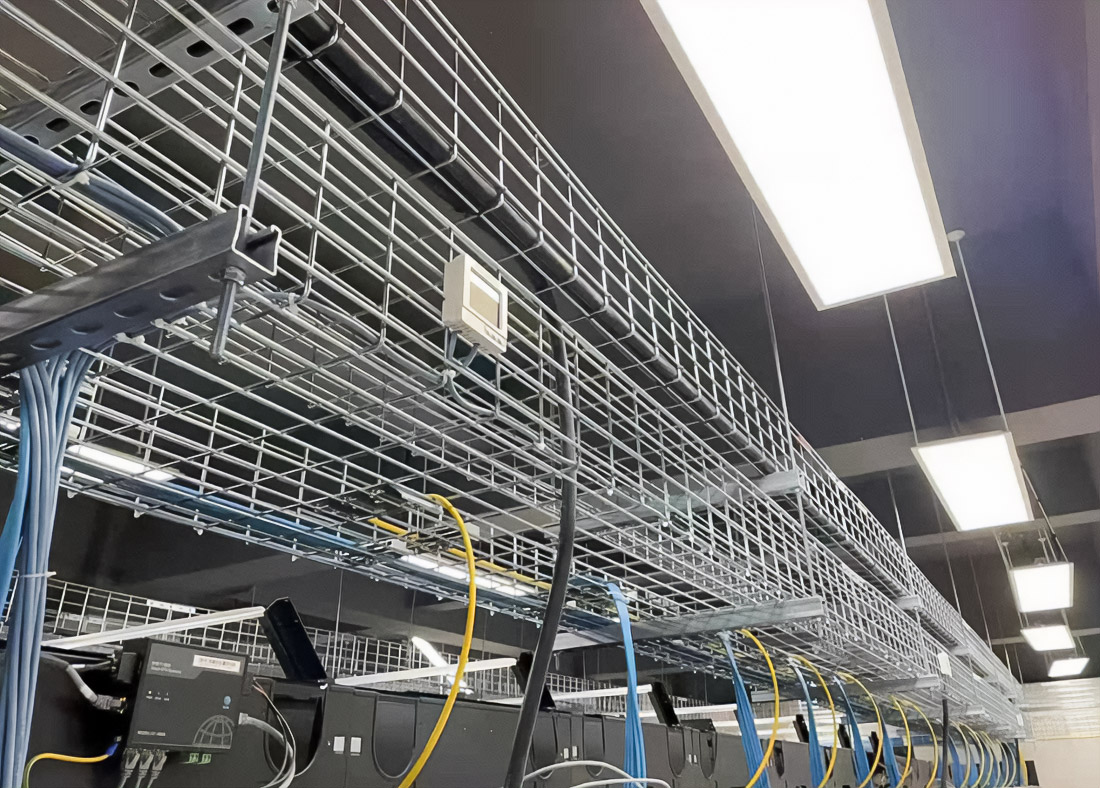
A wire is a single electrical conductor designed to transmit an electric current or signal. In most cases, it is made of metal with high conductivity and can be either without insulation or with an insulating layer. The absence or presence of insulation determines the scope of application: uninsulated conductors are used for grounding or overhead lines where the environment performs the function of a dielectric, and insulated conductors are used inside installations and electrical systems.
By design, the wires are divided into single-core (solid conductor) and stranded (stranded conductor). The single-core wire consists of a single metal rod. It has high rigidity, lower electrical resistance with the same cross-section, and stability in stationary installations. Such conductors are widely used in fixed laying, for example, inside pipes, cable ducts, and structural elements integrated into the building envelope, including areas reinforced with a steel lintel where mechanical rigidity and predictable routing are required.
A stranded wire is formed from several thin metal cores twisted or woven together. Its key advantage is its flexibility and resistance to metal fatigue during vibrations and repeated bends. This makes stranded conductors indispensable in mobile connections, equipment with mechanical loads and in systems subject to vibration. At the same time, due to the air gaps between the cores, such a wire has a slightly larger diameter at the same current load.
Cable as an Engineering System
A cable is a complex structure consisting of two or more conductors combined into a single assembly. Each conductor, as a rule, has its own insulation, and the entire structure is enclosed in a common protective shell. Unlike a single wire, a cable solves several tasks at once: energy or signal transmission, mechanical protection, environmental protection, and reduction of electromagnetic interference.
The typical cable structure includes:
- Conductors that transmit current or signal
- Insulation around each conductor
- Filling elements to preserve the geometry
- Shielding to protect against electromagnetic interference;
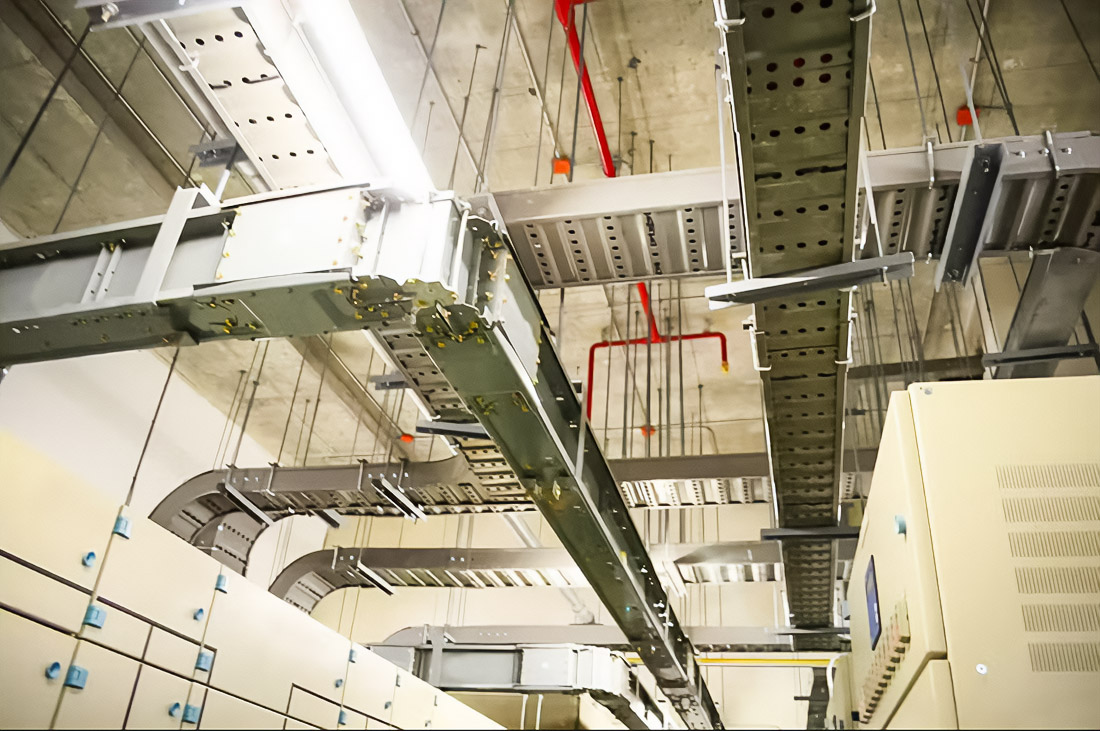
The outer shell protects against moisture, mechanical influences, temperature fluctuations and ultraviolet radiation. The integration of these elements allows cables to be routed through structured containment systems, trays, and trunking solutions supplied by a cable trunking manufacturer, ensuring consistent geometry and protection over long distances.
It is the presence of these elements that allows cables to be used in difficult operating conditions, including underground installation, industrial areas and outdoor installations.
Electromagnetic and Physical Properties
The electrical characteristics of wires and cables are determined by a number of parameters. Resistance and conductivity are inversely related: the lower the resistance, the higher the conductor’s ability to pass current. These parameters are influenced by the material, temperature, and cross-section.
In alternating current systems, capacitance and inductance play an important role, forming the impedance. Impedance is the combined effect of resistance, inductance, and capacitance and directly affects energy loss and signal quality. This is especially critical for data transmission cables and AC power cables.
Thermal processes are also taken into account in the design. An increase in current leads to an increase in the temperature of the conductor, and the permissible current load is determined by the system’s ability to dissipate heat and achieve thermal equilibrium without overheating.
Voltage and Classification of Cables
Cables are classified by operating voltage:
- Up to 750 V – for a wide range of domestic and industrial applications
- Up to 1000 V – for industrial installations and infrastructure
- From 1 kV to 36 kV – for energy distribution between substations
- Over 36 kV – for the transmission of electricity over long distances
For medium-voltage systems, calculations are carried out taking into account the operating temperatures of the insulation, which can reach 90°C, as well as the influence of neighbouring heat sources and installation conditions.
Influence of Installation Conditions
The installation method has a significant impact on the characteristics of the cable system. When laying underground, the thermal resistance of the soil is taken into account, and when laying in channels or trays, the geometry and material of the environment are taken into account. The density of the installation and the proximity of other cables and external heat sources can significantly reduce the permissible current load.
In mobile and vibration-loaded systems, flexibility and resistance to mechanical stress become the decisive factor, which makes stranded conductors and cables preferable.
A Systematic Approach to Selection
The choice between wire and cable is not a matter of convenience but the result of an engineering analysis. Single-core conductors are optimal for fixed installations with minimal mechanical loads. For complex systems where protection, durability, electromagnetic compatibility and reliability are important, cable is used as a complete engineering system.
An accurate understanding of the differences between wire and cable, and their electrical, mechanical and thermal properties, is a basic prerequisite for designing safe and durable electrical and communication systems. This is the beginning of a competent engineering solution that can ensure stable operation of the equipment throughout its entire service life.

Hockey fan, tattoo addict, drummer, International Swiss style practitioner and New School grad. Acting at the nexus of art and computer science to craft experiences both online and in real life. My opinions belong to nobody but myself.